How Online Gaming Reflects Digital Culture

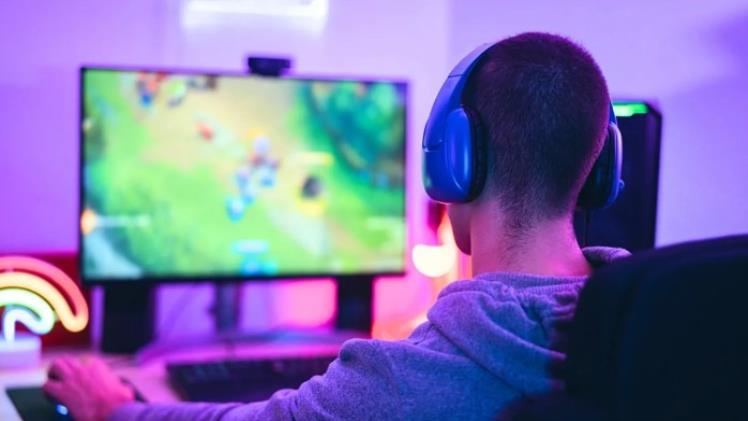
Online gaming has become far more than a form of entertainment; it is now a reflection of how people communicate, socialize, compete, and spend their free time in a connected world. Platforms such as agb99 demonstrate how digital gaming environments can bring together technology, entertainment, and online interaction. As internet access, smartphones, and digital communities continue to grow, gaming increasingly mirrors the habits, values, and expectations of modern digital culture.
The Growth of Connected Entertainment
Digital culture is strongly shaped by constant connectivity, and online gaming fits naturally into this environment. Traditional games often required players to be physically present in the same location, while modern platforms allow people to participate from almost anywhere. A smartphone, computer, or tablet can provide access to gaming experiences within seconds.
This convenience reflects a broader shift toward on-demand entertainment. People now expect services to be accessible whenever they want, and gaming platforms have adapted to meet that expectation. Fast loading times, mobile compatibility, simple navigation, and personalized experiences have become important parts of the modern gaming environment.
Gaming as a Social Experience
One of the clearest ways online gaming reflects digital culture is through social interaction. Gaming is no longer limited to playing against a computer or sitting beside friends. Players can communicate through chat, voice features, communities, and social platforms while playing games.
These interactions have created digital communities where people with different backgrounds can connect around shared interests. Friendships and competitive relationships can develop without players ever meeting in person. This mirrors the wider internet, where social connections increasingly happen through digital spaces.
Gaming communities also encourage collaboration. Team-based experiences require communication, coordination, and shared decision-making. In this way, online gaming reflects the collaborative nature of modern digital communication.
Personalization and Player Choice
Another major feature of digital culture is personalization. Internet users are accustomed to customized recommendations, profiles, preferences, and content feeds. Online gaming has adopted many of these ideas.
Players can often select game modes, customize characters, adjust settings, and develop individual playing styles. Some platforms also use algorithms and player data to provide more relevant experiences. This focus on choice reflects a digital culture in which consumers expect technology to respond to their personal interests.
Personalization also helps explain why the online gaming audience is so diverse. Different players may enjoy distinct genres, features, and experiences within the same broader digital ecosystem.
The Influence of Mobile Technology
Smartphones have transformed digital culture by making online services available almost everywhere. Gaming has experienced the same transformation. Mobile gaming has lowered barriers to participation because players no longer need specialized equipment to access many digital games.
This shift has also changed when and where people play. A gaming session can take place during a short break, while traveling, or at home. The flexibility of mobile gaming reflects the broader culture of using digital technology throughout the day.
As mobile devices become more powerful, developers can create increasingly sophisticated experiences for smaller screens. This continued evolution demonstrates how gaming develops alongside advances in consumer technology.
Gaming, Streaming, and Digital Communities
Online gaming is also closely connected to streaming and content creation. Platforms such as live-streaming services allow players to watch others compete, learn strategies, discover games, and interact with creators.
Gaming content has become part of the wider creator economy. Players can build audiences by producing tutorials, reviews, live streams, commentary, and entertainment-focused videos. This reflects a significant characteristic of digital culture: the traditional boundary between consumer and creator is becoming less defined.
A person can play a game, record the experience, share it online, and develop a community around it. Gaming therefore exists not only as an activity but also as a source of digital content and social participation.
Competition and Digital Identity
Competitive gaming also highlights the importance of identity in digital spaces. Players can develop usernames, profiles, rankings, achievements, and reputations that represent them within online communities.
These digital identities can become meaningful parts of the gaming experience. Rankings provide measurable goals, while achievements and statistics allow players to demonstrate progress. Competitive systems reflect the broader digital culture of sharing accomplishments and building online reputations.
At the same time, responsible gaming communities need to encourage respectful behavior, privacy awareness, and healthy digital habits. As gaming becomes more social, maintaining positive online environments becomes increasingly important.
The Future of Online Gaming Culture
The relationship between gaming and digital culture will likely become even stronger as technology advances. Cloud gaming, artificial intelligence, virtual reality, augmented reality, and improved mobile connectivity could introduce new ways for people to interact with digital entertainment.
Future gaming environments may become more immersive, personalized, and socially connected. However, the central idea will remain familiar: people will use technology to play, communicate, compete, create, and connect.
Conclusion
Online gaming reflects digital culture by combining many defining features of modern life: connectivity, personalization, mobile technology, social interaction, content creation, and digital identity. What began primarily as a form of entertainment has developed into a broad digital ecosystem that mirrors changing consumer behavior.
As technology continues to evolve, gaming will remain an important window into the future of digital culture. Its development shows how entertainment can adapt to changing expectations while creating new opportunities for communication, creativity, and online community.